I started in classrooms as an English professor, led schools as a principal, and later taught online and hybrid courses. Teaching taught me to communicate so everyone can understand. Leading taught me to bring people with me. At BrainPOP, I led content across four edtech products. Today, I’m a Content Designer for AI at Thumbtack, helping set the standards for ethical AI experiences and systems.

Content design has evolved. But writing is still at the heart of the practice.
Designing content with AI tools doesn’t mean we have to lose our voice. We use these tools to push our thinking and build the structure behind every word. Then we hold AI to the same bar as any good writer: be honest, be clear, and know when to be quiet.
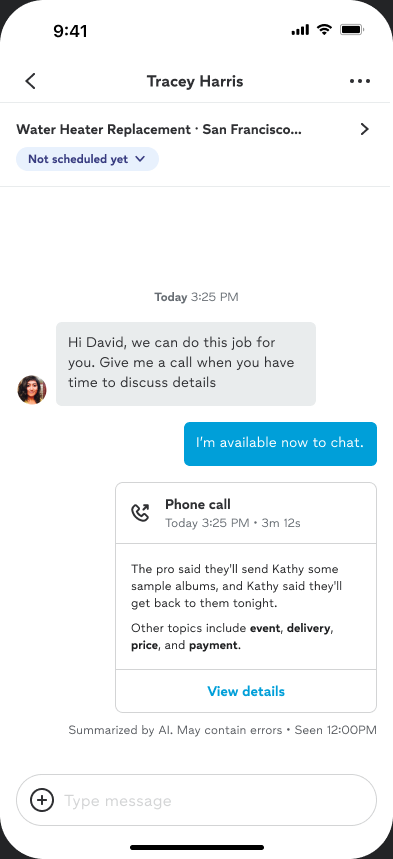
What do you do if you find a privacy issue the day before a launch? Fix it first. I owned the end-to-end prompt design for AI call summaries. We were still testing when my engineering partners and I found the issue during a bug bash. The plan was to keep refining the prompt after launch, but I made the case to pause, connect with Legal, and fix it before it went live.
Launched to all users · Customer and pro recaps tell the same story 90%+ of the time
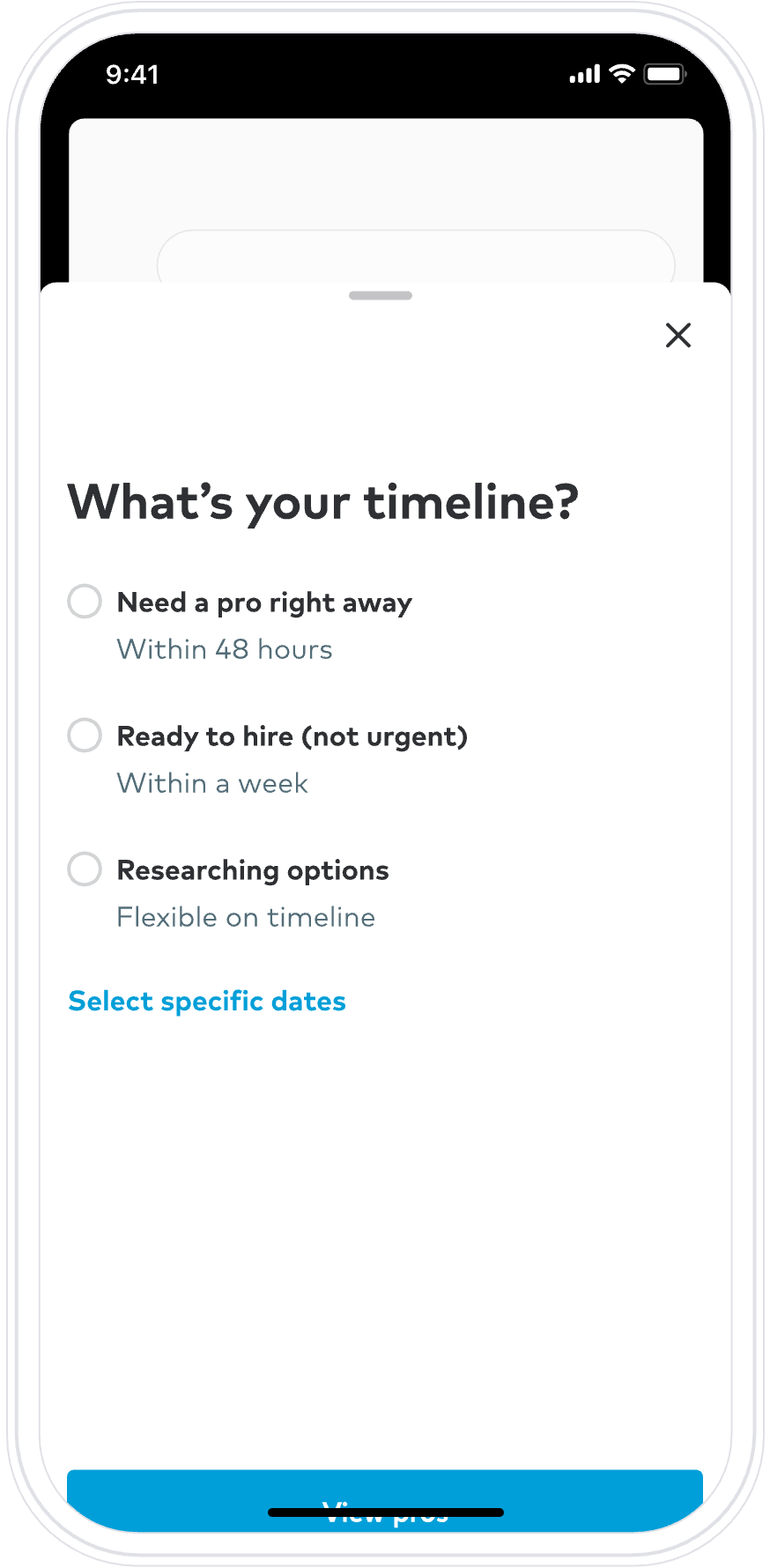
How do you turn a flat request form into a dynamic conversation? Make it smart. With a small team, I took a first-draft prompt to launch. Learn how we did it and raised our answer rate, even while the AI asked more questions.
Answer rate up from 84% to 88%, even with more questions
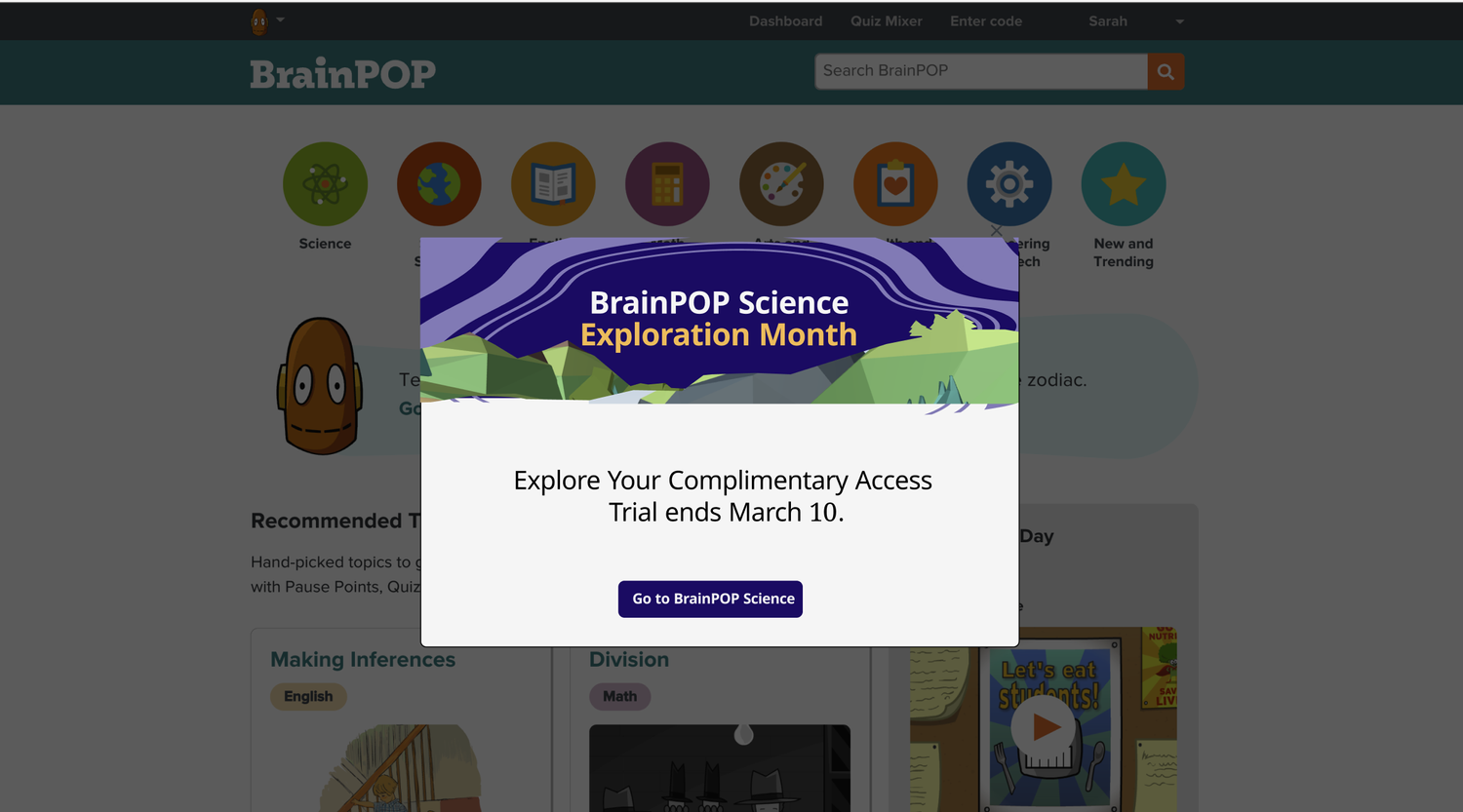
What do you do when you launch a brand new product but your customers miss it? Make it matter. Teachers were feature-fatigued after Covid and weren’t opening our BrainPOP Science announcements. So I revamped the messaging based on what we knew teachers wanted. Engagement went from 3% to 39%. Learn how I visited classrooms to increase engagement.
Pop-up engagement up from 3% to 39%
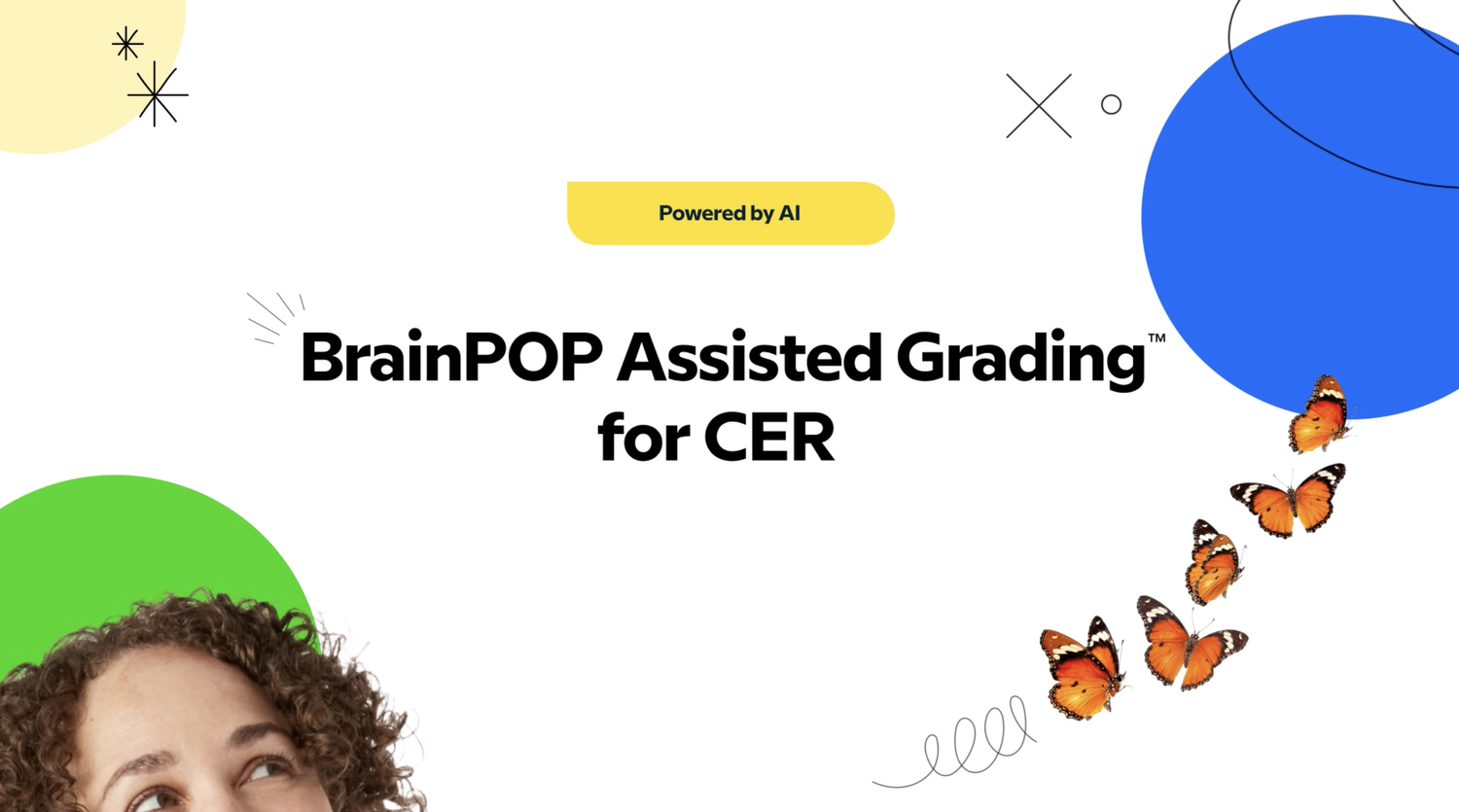
How do you get teachers to trust an AI with their students’ work? Put them in the driver’s seat. Grading takes up a lot of teachers’ time, but in research they told us they didn’t trust AI with it. Instead of turning AI grading on for everyone, I pushed for a toggle that kept each teacher in control, plus plain-language help on how the AI works.
Adopted by teachers · Fewer support questions, more activities assigned
Most of my work is password-protected. Email me for the password.
The systems and ways of working I bring to a whole organization.
I revamped our company’s office hours into ongoing content research. We learn the pain points of our internal customers, and our AI tools keep teams organized, surveyed, and coming back.
Read how we did it →When BrainPOP’s content team went from six people to one, I was the one. I built the systems that got four products speaking in one voice, and content errors dropped 20%.
See the systems (password-protected) →I’m the design representative on our company’s AI Champions team, leading the charge on new AI initiatives. I host a design-organization-wide AI build time, and my Claude Design collaboration with a product designer landed us a presentation spot at a company-wide event.
I own our content design plugins for Figma, Claude, and ChatGPT. I keep them accurate, up to date, and useful by tracking usage and making changes as we learn.
See it in action (password-protected) →I made these bots to help you learn more about me and my work.
This is the voice I teach AI to unlearn.
[Sarah] had an excellent quarter. Call Summaries v2 stands out, both for the prompt work and for everything [she] put in place to support it: the eval workflow, the changelog, the prompt crits, and a handoff doc that makes it easier for others to carry the work forward.
Rae Broviak · Content Design Manager at Thumbtack
Sarah reshaped how we design with words. Her strategic approach to UX content design improved countless opportunities for conversion, feature adoption, and user task completion.
Stephanie Hom · VP of Product Design, BrainPOP